For readers exploring 3d ai maker tools, this independent Hyper3D and SupaVoxel comparison looks beyond previews to inspect tray geometry. It explains where wall detail survives, where floor cables fail, and what needs repair before printing.
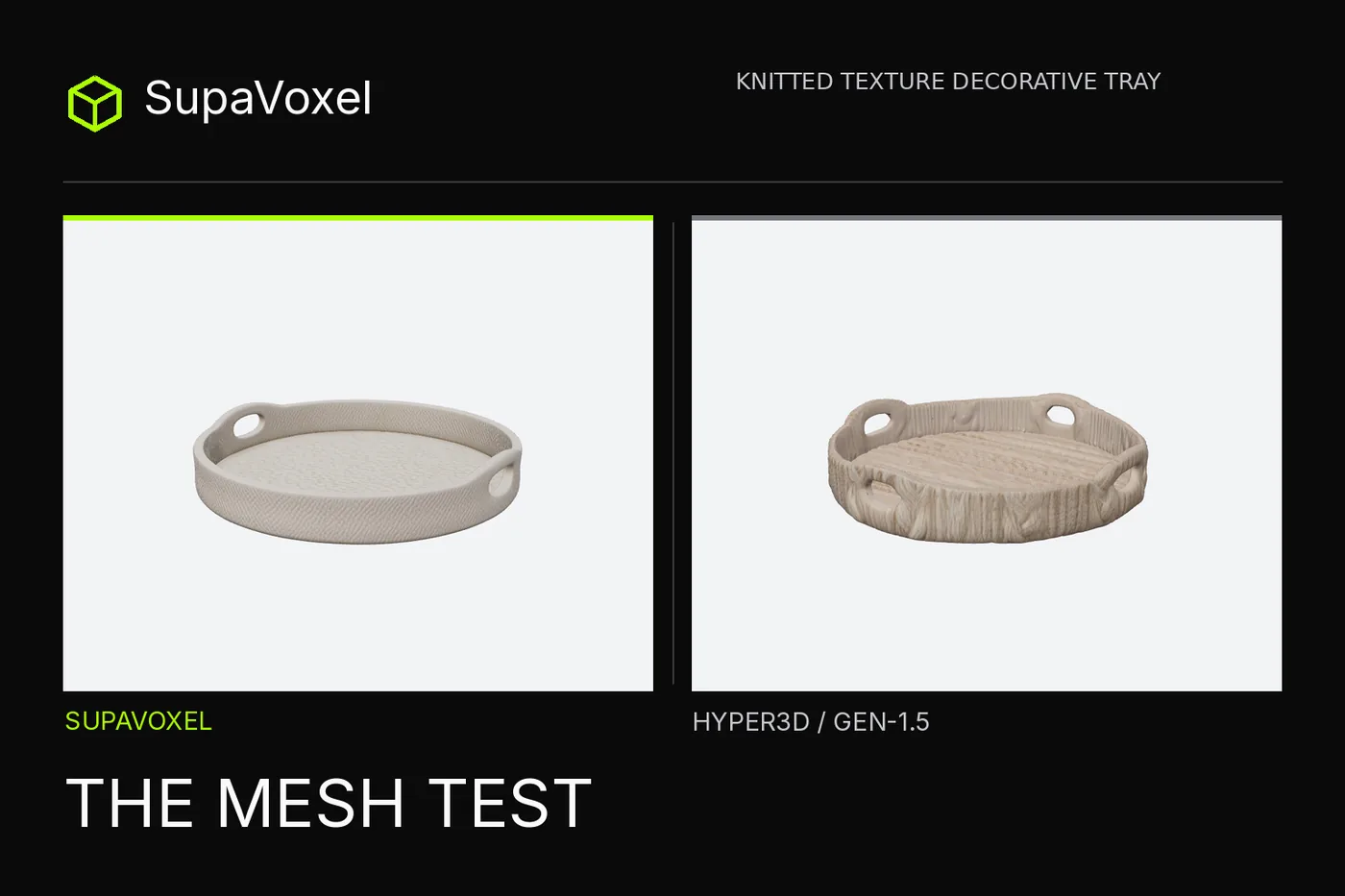
This is an independent test. Nothing here came from vendor access: both tools were used on my own free and paid accounts.
I set out to test one question with a shallow knitted-tray reference: would its handle holes, rope-patterned wall and large crossing floor cables survive as actual shape? A good-looking preview alone would not answer a geometry question.
I gave the same reference image to Hyper3D and SupaVoxel, then stripped the colors off the two inspectable models. There was a catch before I even got to the mesh: Hyper3D's newer Gen-2.5 charged for a preview that my tested Free account could not download. The Hyper3D file I could inspect came from a separate Gen-1.5 run; the SupaVoxel comparison file was reconstructed locally after its Original size browser download failed.
My verdict in 60 seconds — both are repair-first meshes, and Hyper3D Gen-1.5 wins this tested print-file handoff. Both welded meshes close, but neither floor follows the photographed cable crossings. Hyper3D gives you raised but oversimplified ribs and an actual Free-tier PBR download. SupaVoxel earns a conditional recommendation for a finer-wall design prototype: finer diagonal wall relief, 1,375 fewer sliver faces and an estimated $0.59 less solid resin at the same outer scale. Explore SupaVoxel if that narrower wall-and-material brief is yours, but verify its required browser export and remodel the floor before printing. That is not a claim that it beat Hyper3D on this tray's printable cable geometry.
Eight paired evidence checks for the tray:
- Recognizable open tray — Hyper3D: shallow basin and apertures · SupaVoxel: shallow basin and apertures.
- Wall texture in bare geometry — Hyper3D: chunky raised ropes · SupaVoxel: finer visible diagonal relief.
- Photographed floor crossings — Hyper3D: mostly parallel ribs · SupaVoxel: irregular patches; neither shows repeated over-under cables.
- Floor relief without color — Hyper3D: raised rows remain · SupaVoxel: much of the apparent puff fades.
- Welded solid topology — Hyper3D: one watertight shell, no nonmanifold edges · SupaVoxel: the same narrow topology result.
- Triangle hygiene — Hyper3D: zero degenerates, 5,048 slivers · SupaVoxel: 60 degenerates, 3,673 slivers.
- Estimated solid resin — Hyper3D: 63.96 cm³ · SupaVoxel: 47.00 cm³ at a 120 mm longest side; no physical print.
- Actual browser export — Hyper3D Gen-1.5: ZIP received · SupaVoxel Original size: failed in this run.
Those checks describe starting materials, not a printable-product certificate. I neither sliced nor printed either tray.
The image is a raised tray, not a flat swatch
We used the exact same 1,862,608-byte PNG for both products and checked its SHA-256 against the SupaVoxel request input. It was independently generated with a maker-gallery cover as visual reference, not an existing 3D model downloaded and submitted as an answer. The photograph-like input shows an open circular tray with a visible wall, chunky crossing cables across the floor and wall, and an oval aperture on the right. The left and reverse faces are obscured. Calling this a flat texture test would erase the wall, openings and height that a printer must actually realize. At 120 mm normalized longest side, the two resulting tray heights are only 24.48 and 20.71 mm—not 120 mm high.
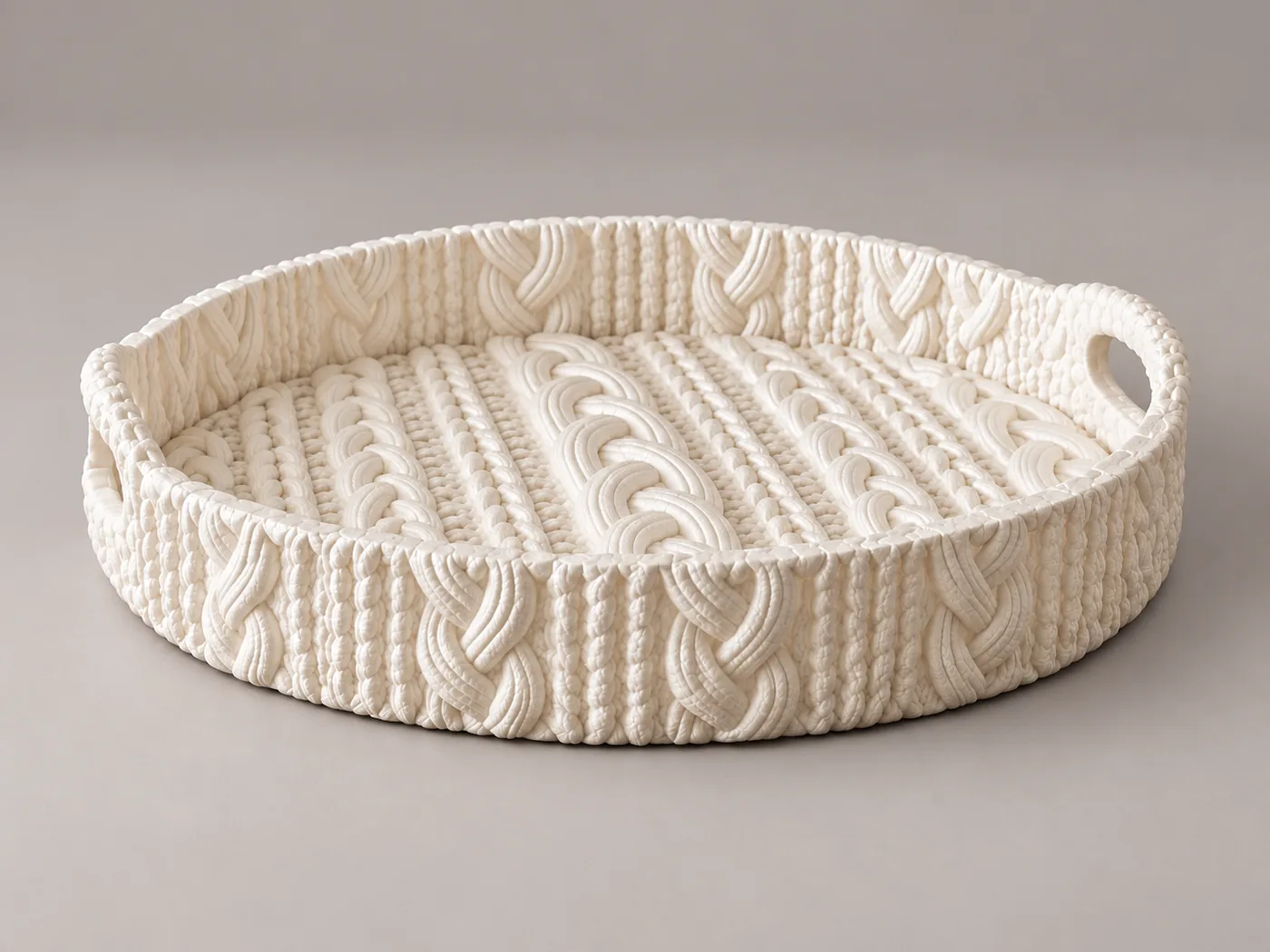
One shared input, one visible right-hand opening; the hidden hole positions have no photographed ground truth.
Which Hyper3D mesh can actually be tested?
Hyper3D let the Free account generate and confirm Gen-2.5, and its UI later displayed a million-face preview. Clicking Download instead displayed a subscription requirement; no Gen-2.5 model was retrieved. Its 1,000,000-face and 766,963-vertex readout is consequently a UI claim, not our offline mesh measurement. We made a separate Gen-1.5 run, finished Material Generate and Confirm, and received a 27,809,936-byte ZIP with Shaded and PBR models. Every Hyper3D mesh metric here belongs to the extracted 18,642,076-byte Gen-1.5 PBR GLB, not to the blocked higher-generation preview. A buyer choosing the free path gets the smaller inspected mesh, not evidence of the inaccessible one's printable geometry.
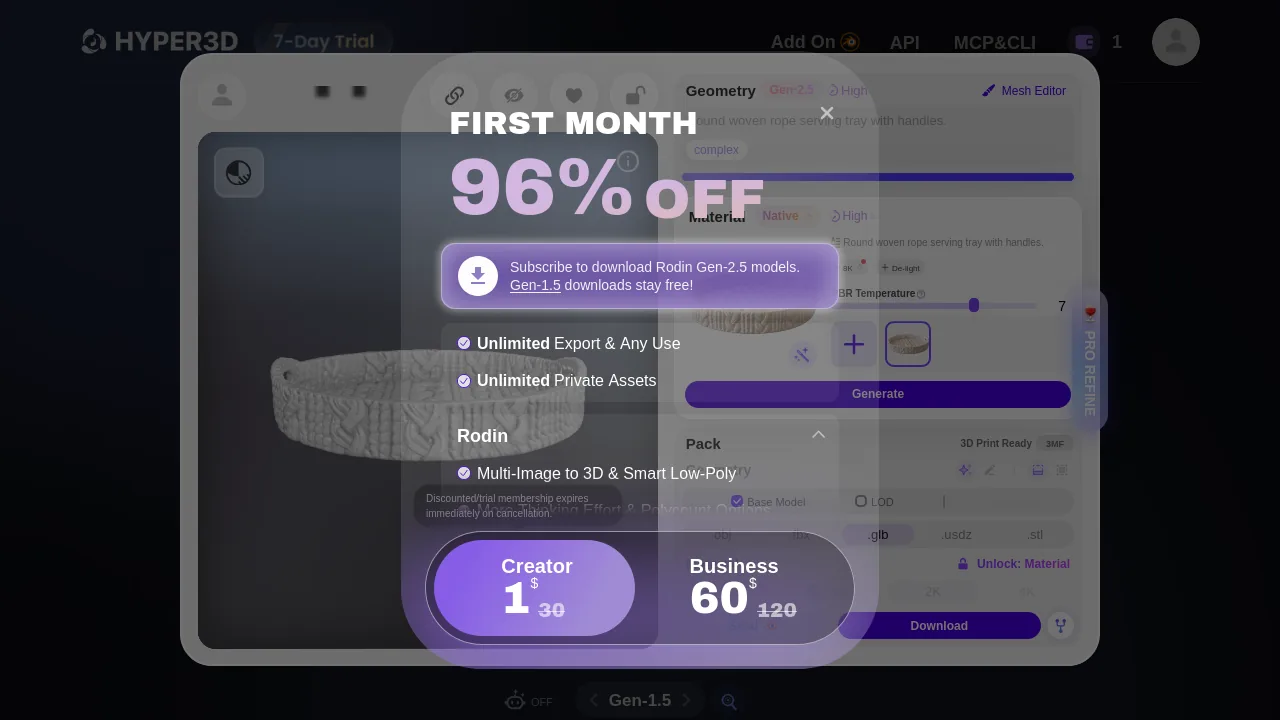
The Gen-2.5 download restriction appeared after the preview and confirmation; we did not bypass it.
The floor fails the literal cable test
The top-view render makes the mismatch obvious: the reference has cords weaving across one another like a knitted jumper. From above, Hyper3D's floor has raised rows—but they travel side by side, rarely crossing. SupaVoxel draws a denser scatter of soft-looking stitches without the large, repeatable over-under route. Its analysis mesh has 1,500,000 triangles against Hyper3D's 120,000. That's 12.5 times as many triangles, but no extra triangle can follow a cable path the generated shape never laid down. If the buyer ordered this exact knit, someone still has to remodel the floor.
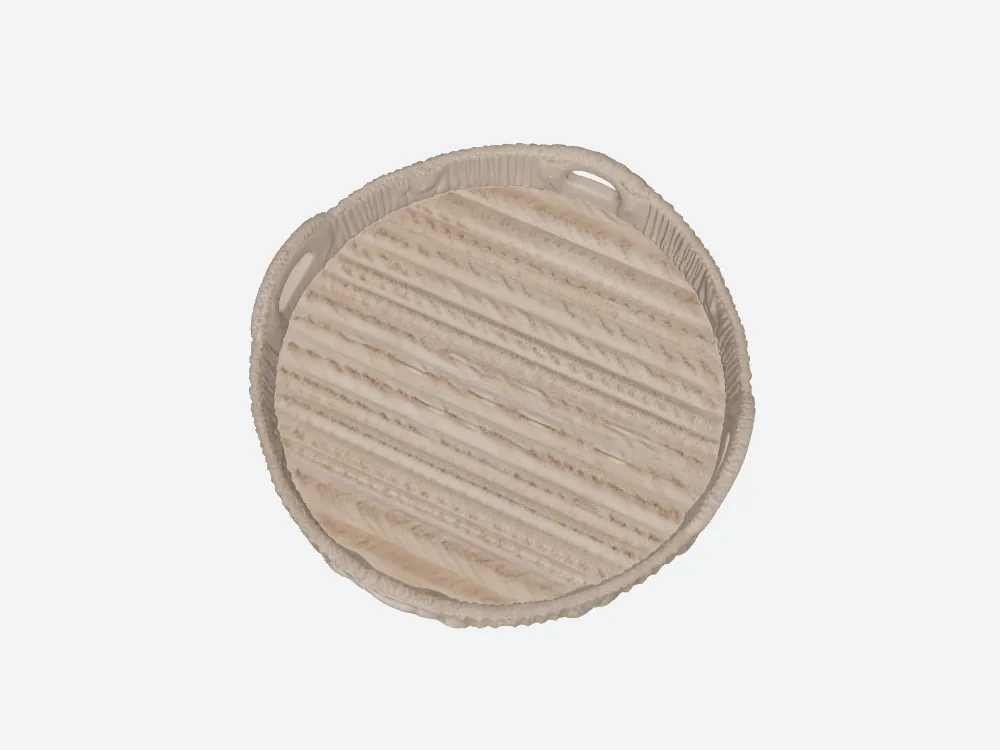
Hyper3D's raised directional rows are recognizable, but the crossings have become parallel ribs.
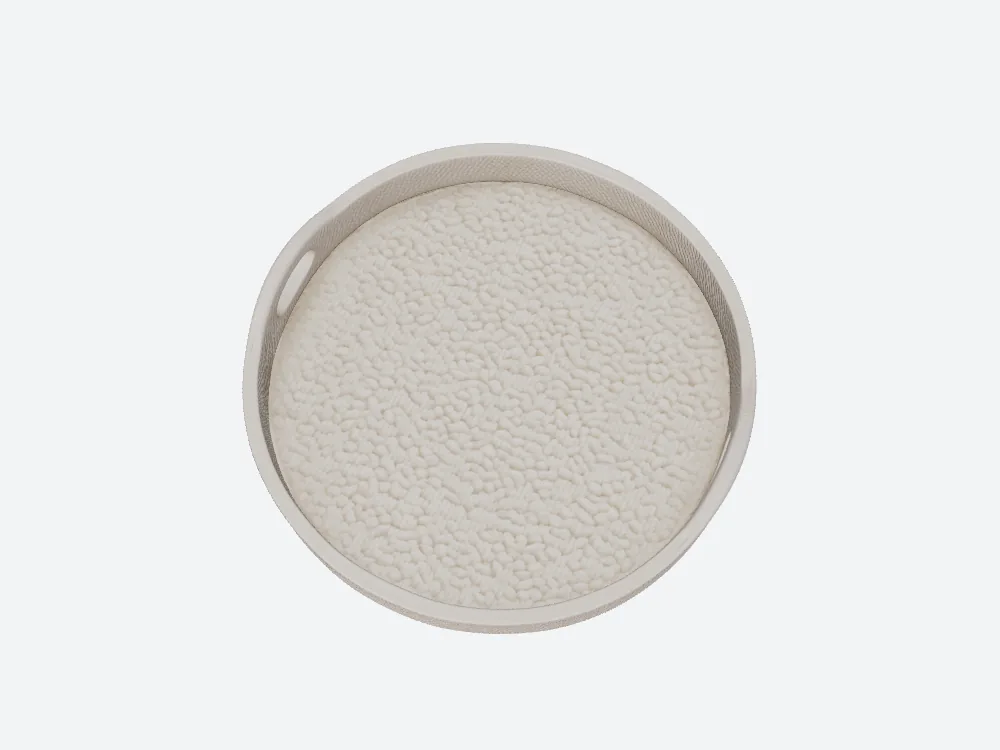
SupaVoxel's top view is denser and less orderly than the input's repeated large cables.
Turn off the material before promising a print
The Hyper3D bare-mesh render still contains protruding wall cables, multiple open holes and some raised floor ribs. That is real geometry, not just a painted illusion; it is also a simplified pattern. The SupaVoxel bare-mesh render retains fine diagonal relief on the wall and the side openings, but the floor loses much of the clustered texture's apparent depth. The 1.5-million-triangle total therefore does not mean 1.5 million useful pieces of cable relief. At the chosen 120 mm scale the average triangle edge is 1.1313 mm in the Hyper3D file and 0.2357 mm in the SupaVoxel file. Neither average establishes the width of the smallest printable groove or whether a 0.4 mm nozzle will resolve the desired knit.
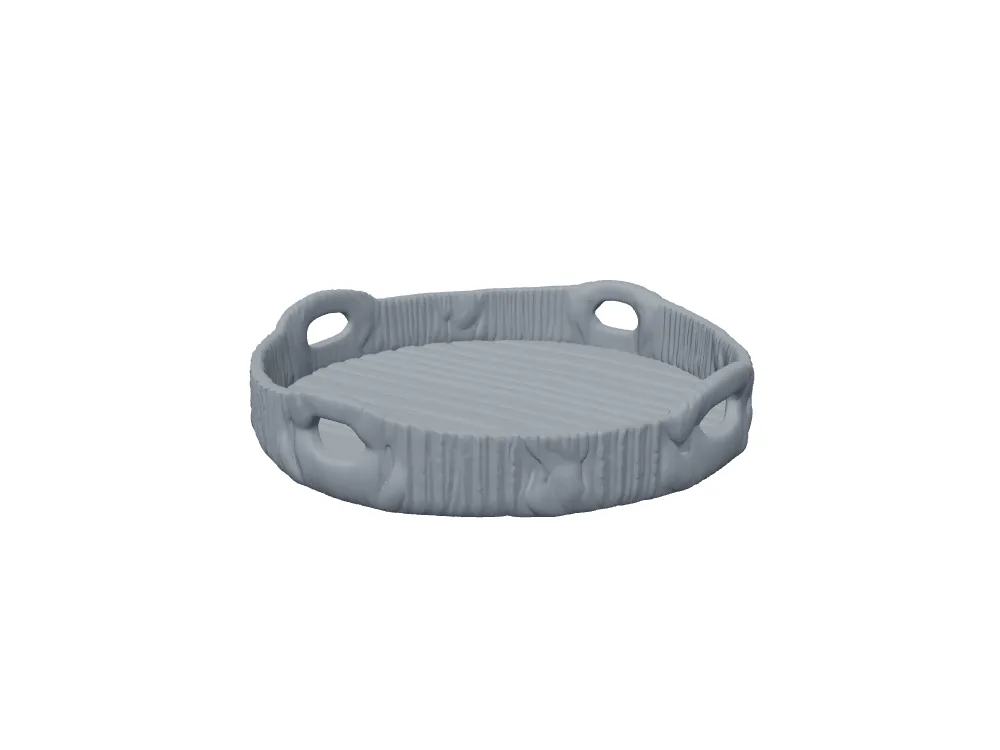
Hyper3D without material: genuine wall relief, holes and shallow floor bars, not interwoven floor cables.
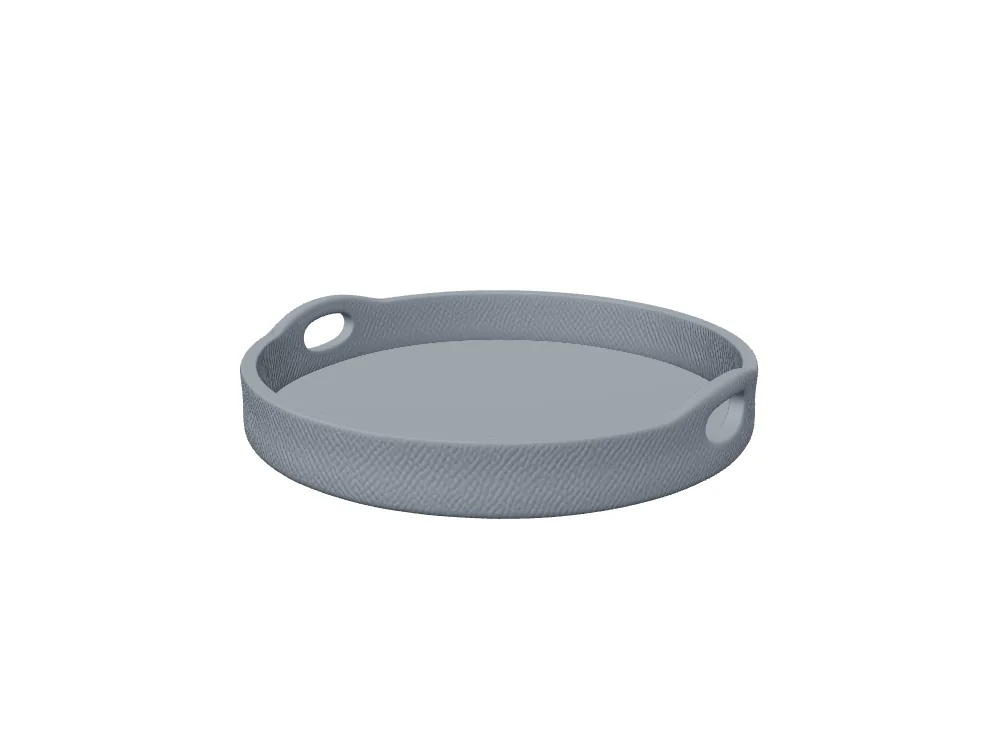
SupaVoxel without material: the floor's stronger textured impression does not survive as comparable geometry.
Weld the UV seams before calling either model broken
Both GLBs split vertices along texture seams. Before welding, the raw meshes misleadingly report open boundaries: 67,868 raw boundary edges in Hyper3D and 123,796 in SupaVoxel. We merged coincident positional vertices and only then measured topology. Both then yielded one face-connected shell, watertight surfaces, zero boundary edges, zero nonmanifold edges and consistent winding. On those narrow geometric checks, the pair ties. A seam mistaken for a hole would reverse the recommendation for no sound reason. Equally, a watertight flag cannot certify that a handle fits fingers, the tray carries weight, the surface is food-safe or a support-free slice succeeds. Those are different tests and were not run.
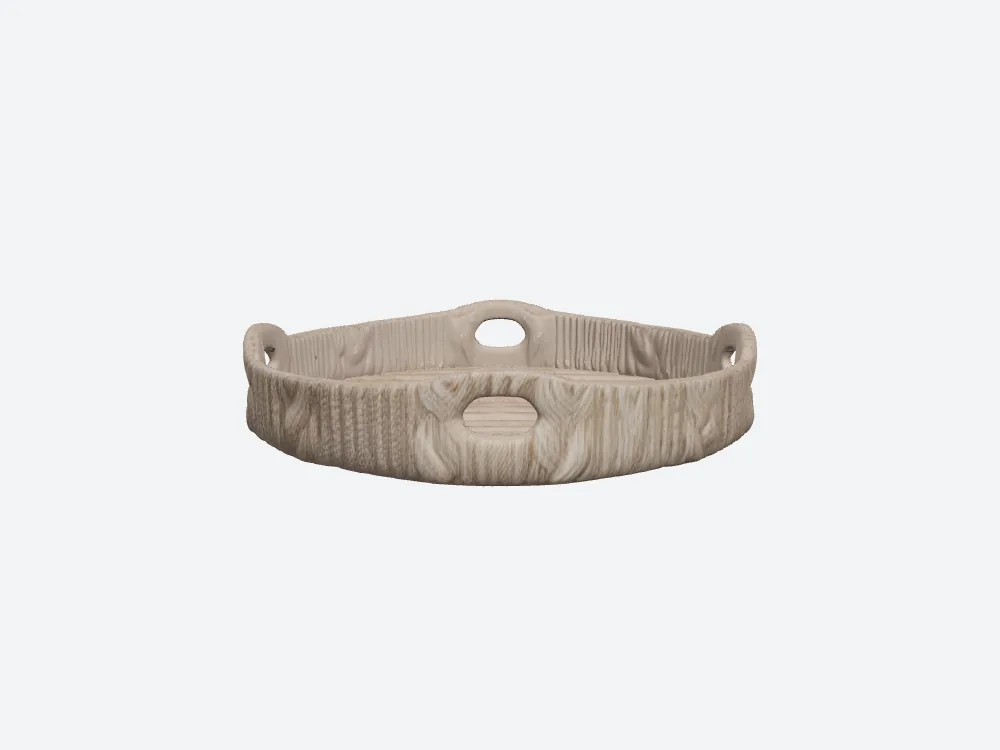
The front-facing holes survive in the solid mesh; an opening is not proof that its location or diameter was specified.
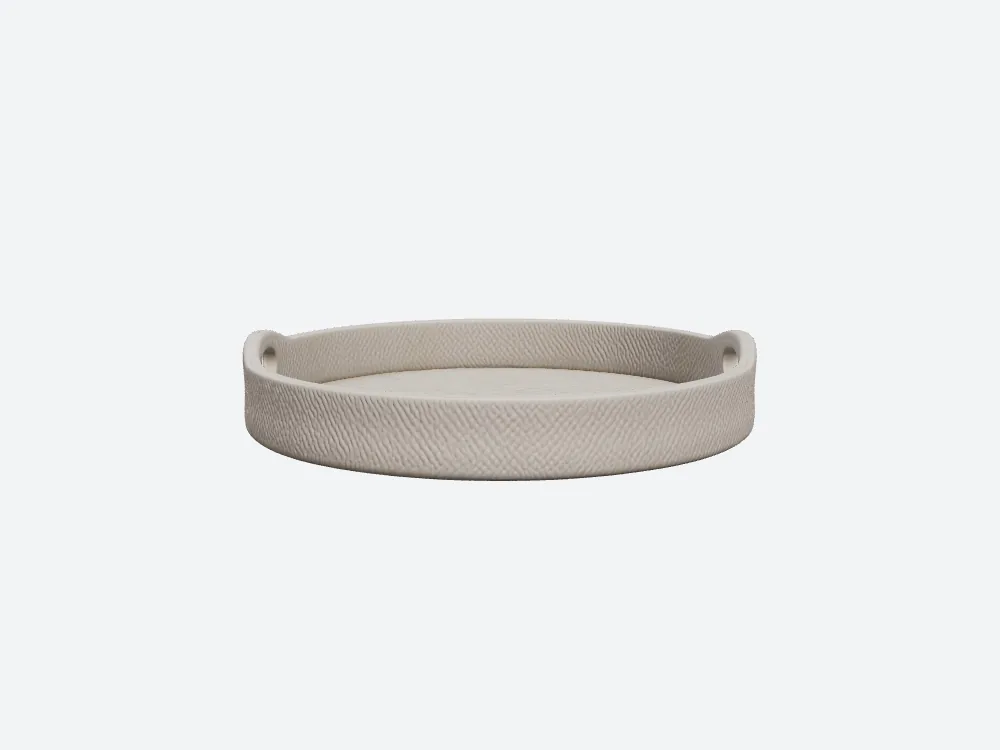
The other tray also has real open handles, while the front rim is more continuous.
Clean topology is not clean triangles
Hyper3D has zero degenerate triangles in the measured file, whereas SupaVoxel has 60. In the opposite direction, the sliver-face count is 5,048 for Hyper3D and 3,673 for SupaVoxel, a difference of 1,375 in SupaVoxel's favor despite its much denser mesh. Both observations must travel together: calling either model uniformly cleaner would hide a measured problem. Hyper3D's own information overlay quotes 120,000 faces and 97,930 vertices. The exported GLB confirms 120,000 faces but contains 97,677 raw vertices, a discrepancy of 253; we rely on the file for this article. For a shop, this suggests checking triangles and the actual scale before accepting a vendor's one-word readiness badge.
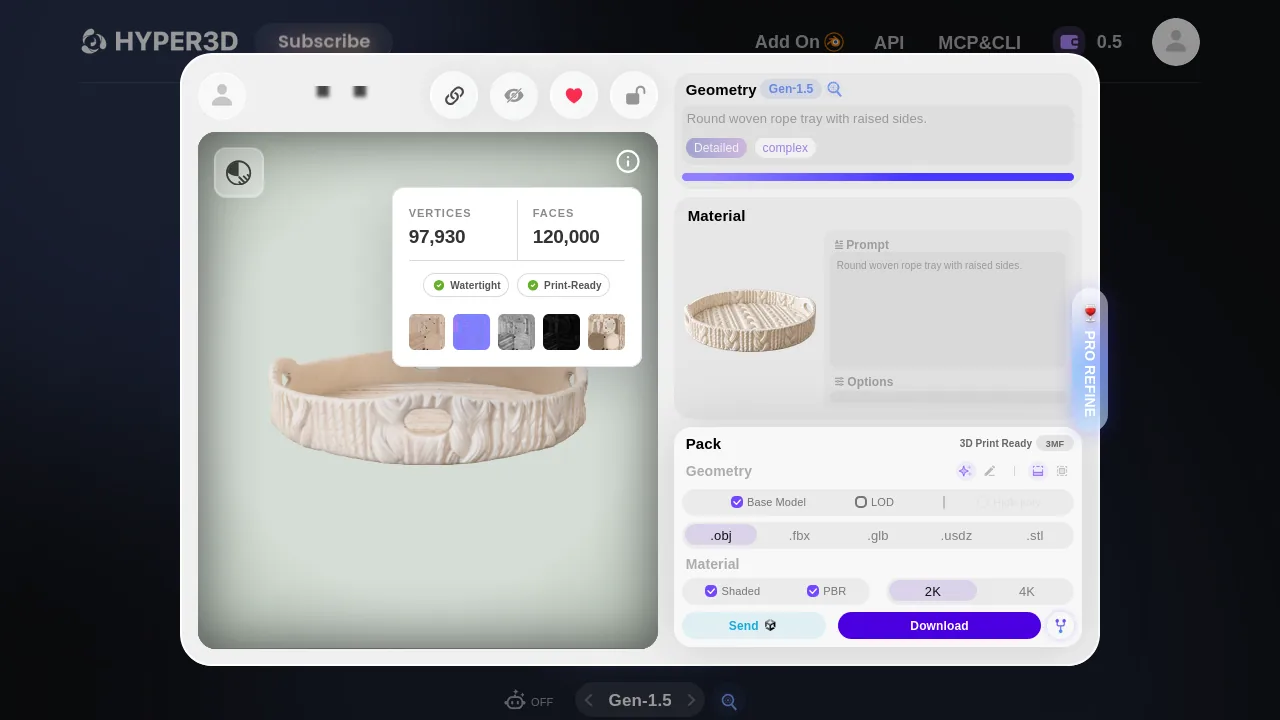
Hyper3D's Gen-1.5 overlay agrees on faces, not vertices; its Print-Ready badge is not a slice result.
Downward-facing area needs the right name
With world Y defined as up, we counted faces whose normals lie within 45 degrees of straight down. Hyper3D's measured potentially downward-facing surface is 10,243.3 mm², or 28.05% of its area, after scaling the longest dimension to 120 mm. SupaVoxel's is 11,259.4 mm², or 33.48%: about 1,016.1 mm² more. Some of that area is the underside contacting the build plate. These are surface orientations, not a slicer's actual support structures or a measurement of resin spent on supports. Change the build orientation and the comparison can change. Anyone quoting the extra square millimeters as an extra support bill would be turning a normal-vector screen into a fabricated workshop outcome.
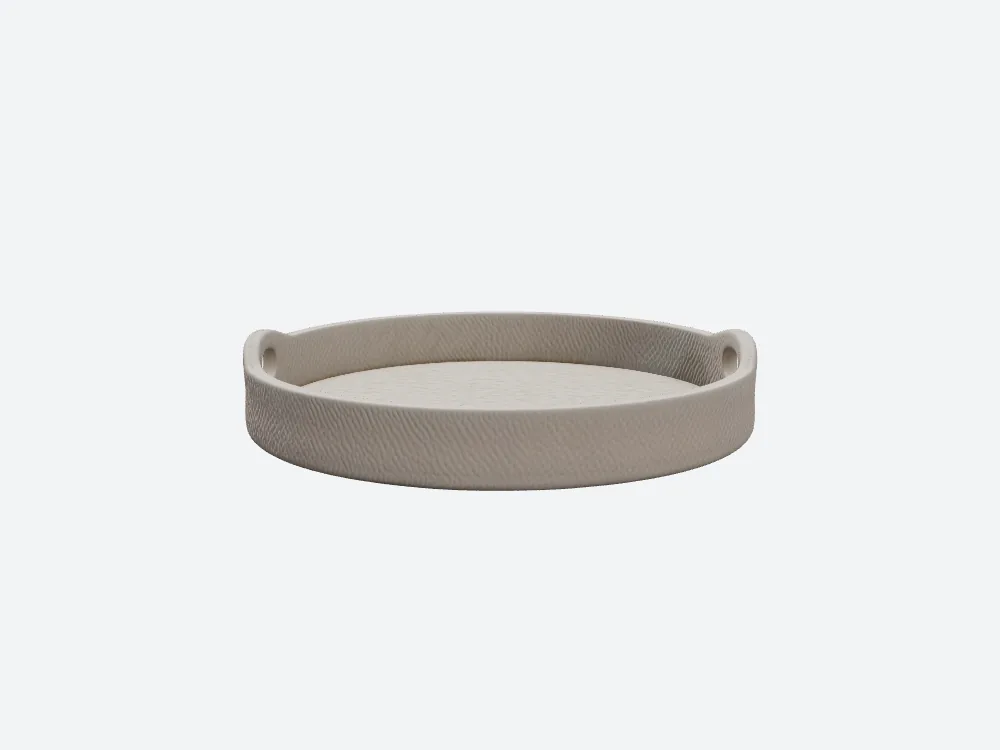
The unseen reverse of SupaVoxel's tray is generated, not verified by the single input photograph.
Resin is an estimate under one very specific setup
Now picture a hundred of these on a wedding favor table. Scale each model until its longest box edge is 120 mm, fill it solid and assume standard resin at $35/L. Hyper3D's closed shell encloses 63.96 cm³, or about $2.24 per tray; SupaVoxel's encloses 47.00 cm³, about $1.65. That's $0.59 each, or $59 across an imagined hundred in SupaVoxel's favor—not an invoice. The two heights would be only 24.48 and 20.71 mm: neither is a 120-mm-tall tray. Supports, hollowing, machine time and rejected prints could change that bill. This is a material-planning advantage, not a finished factory quote.
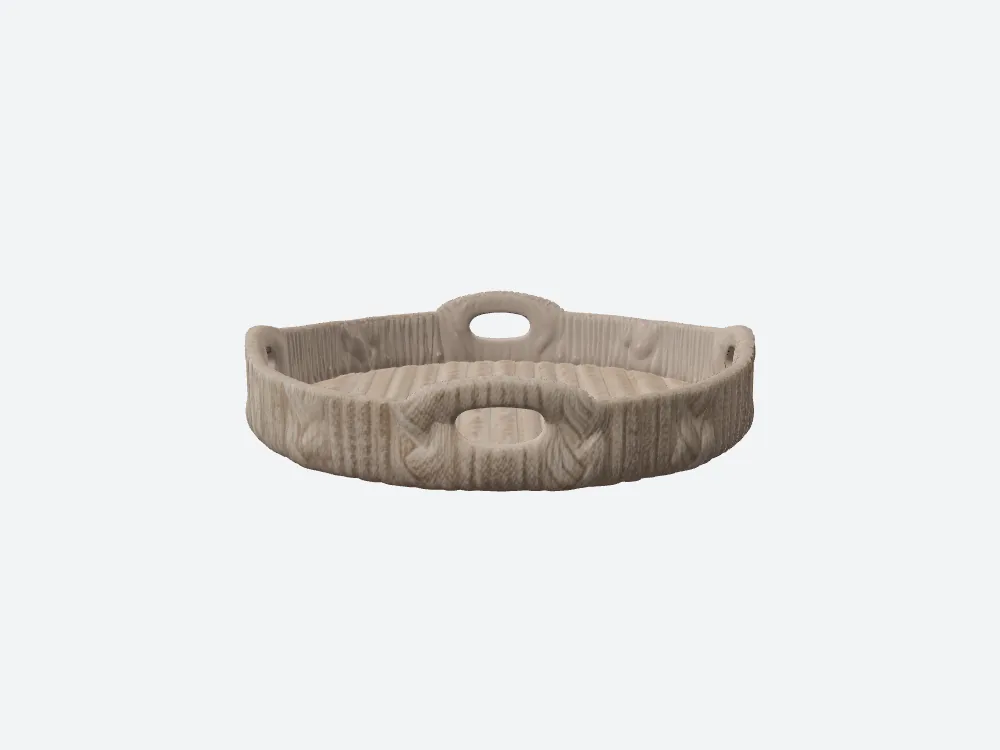
Hyper3D's taller wall and larger solid-volume estimate are visible in its side silhouette, not a measured resin purchase.
The missing back cannot be graded for accuracy
The reference shows the right opening but does not disclose the entire far wall. Hyper3D fills that unseen reverse with a central oval opening, prominent vertical ropes and other apertures; SupaVoxel continues a finer diagonal surface with fewer conspicuous openings. Neither could have copied hidden truth from this photograph. A customer needing a specific handle position must inspect and edit the generated back rather than count the most holes as the best reconstruction. This is a practical limit on one-view image-to-3D generation, not proof that every additional opening is mechanically defective. Both remain one connected closed shell after the weld, so the geometric hole openings and the absence of mesh boundary holes are compatible facts.
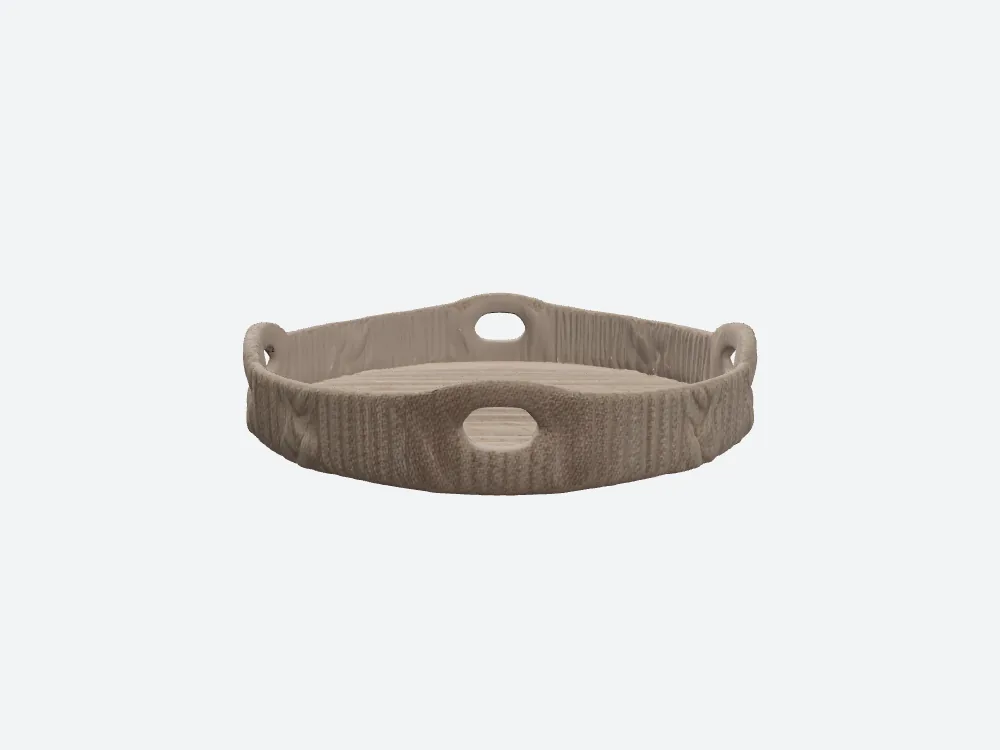
Hyper3D invented a dramatic reverse wall; the photo provides no reverse-side design to validate it against.
What a real print decision would still require
We did not slice, print, wash, cure, load-test, measure handle clearance or verify food-contact safety. Before quoting a tray, check its physical size and openings, compare the untextured geometry with the requested crossings, address SupaVoxel's 60 degenerate faces and slice at the intended orientation. Hyper3D's obtained Free-tier PBR is a starting file, not a finished product; SupaVoxel's Original size browser export was not obtained, though its locally reconstructed specimen supports the mesh analysis here.
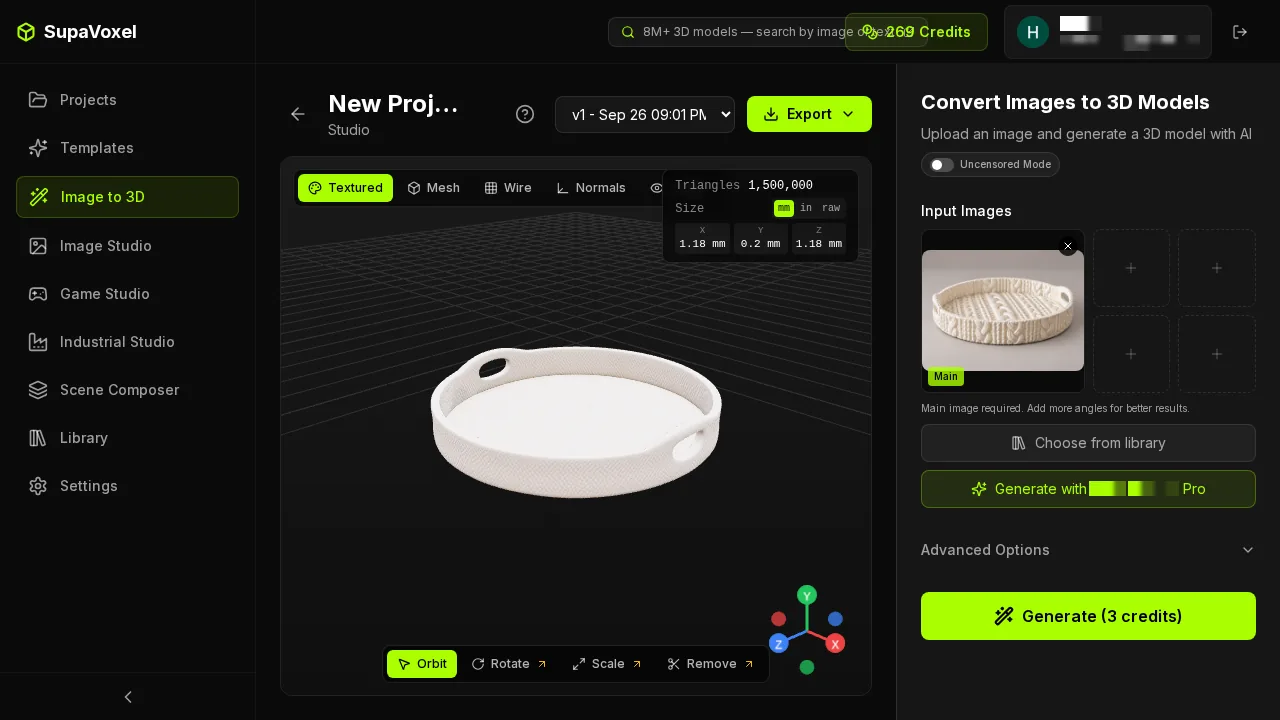
SupaVoxel's Textured, Mesh, Wire and Normals controls help expose the difference between painted detail and printable relief.
Final verdict: a tray shape is not a knit pattern
If I had to send a mesh from this tested workflow to a print technician today, I would send Hyper3D's actual Gen-1.5 PBR file first. Its raised ribs survive color removal, the welded shell closes, and the file arrived. I would also mark its floor for reworking: parallel ribs are not the source's crossing cables, and the reverse-side holes came from inference. That isn't a ready-to-print endorsement.
SupaVoxel is the tray I would show when the customer wants a finer wall weave and a leaner estimated solid resin shape. The wall has fine diagonal relief, its 3,673 slivers beat Hyper3D's 5,048, and at equal 120 mm outer longest side the calculated solid fill is 47.00 rather than 63.96 cm³. I would then turn off the material to expose the nearly flat floor and check export again; 60 degenerate triangles and a failed Original size browser conversion are not details to hide. Neither file copies the pictured floor knit; there is no basis here for a general-purpose winner.
Use SupaVoxel for this job
If the brief is a shallow decorative concept and you can rework the floor, SupaVoxel lets you inspect the textured tray beside its bare mesh before signing off on the knit. Bring your own picture, check the hidden side, and verify your chosen export before promising a physical item. For a finished cable-knit print, neither of these one-shot results is done.
How I tested this
One independently generated 1,862,608-byte reference PNG, byte-matched across the products; one downloadable Hyper3D Gen-1.5 PBR GLB from a 27,809,936-byte ZIP; one SupaVoxel analysis GLB reconstructed locally from its retained compressed project source after its Original size browser export failed. The separate Hyper3D Gen-2.5 preview spent 0.5 credit but was blocked on Free, so it contributes no file measurements. We parsed the files and welded UV seam vertices before topology checks. Longest bounding-box side, not vertical height, was scaled to 120 mm: actual vertical spans were 24.48 and 20.71 mm. Resin is volume × $35/L under hypothetical solid fill; downward-facing area uses world Y-up normals within 45° of down, not slicer support. No slice, print, strength or fit test occurred; no sourced design for the hidden back exists.
Originally published on Medium: Hyper3D 3D Print Review 2026: The Floor Cables Became Ribs.